How to Plan a Hyperlocal Summer Festival Guide That Actually Gets Read
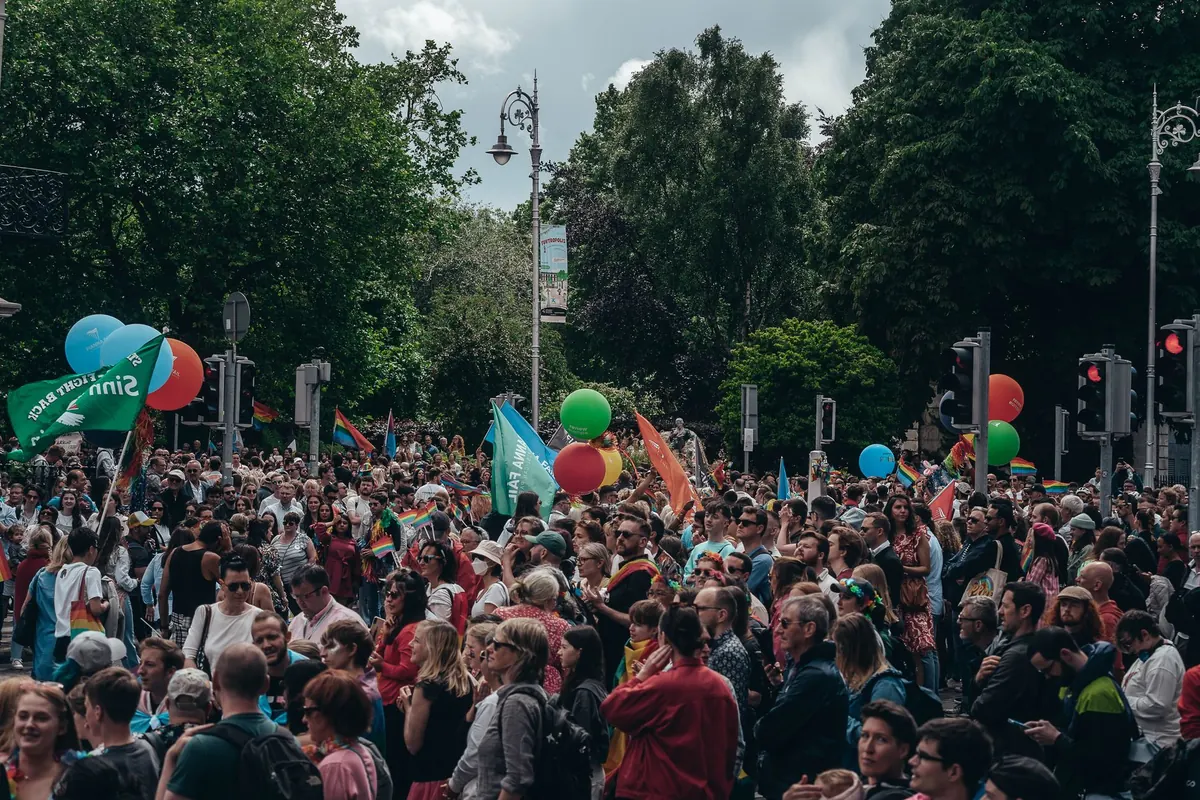
A festival guide is easy to publish and hard to make useful. Most local summer roundups read like a forwarded email: forty events, no dates in the headline, and a map pin that leads to a locked car park. The ones people bookmark do something simpler. They answer the question a reader already has, in the order the reader asks it.
That question is rarely "what is happening this summer". It is closer to "what can I do on Saturday with two children and no car". Write for that person and the guide will get read, forwarded, and opened again in July.
Start With the Reader's Question, Not the Season
Season-based headings feel tidy in a planning document and useless on a phone. "June Events" tells a reader nothing. "Three Saturdays Worth Clearing" tells them to keep reading.
Before you write a single listing, note the six questions your readers actually ask. They usually look like this:
- What is on this weekend, and what is on next weekend?
- Is it free? What does a family of four realistically spend?
- Do I need to book, or can I turn up on the day?
- Where do I park, and is there a bus that runs late enough?
- Is it suitable for young children, older parents, or a dog?
- What happens if it rains?
Then build your sections around those questions rather than around the calendar. A guide that opens with "Free and Easy This Weekend" and later offers "Worth Booking Ahead" has already done the sorting work. That is the value you are adding. The event organisers supply the listings; you supply the judgement.
Build the Calendar Backwards
The usual mistake is treating a summer guide as one big push in May, followed by silence until September. A guide works better as a rhythm.
Start with a preview published before holiday plans harden: eight to twelve anchor events, chosen because they draw a crowd or fill a genuine gap. Then commit to a short weekly update, ideally on the same day each week, covering what is new, what has sold out, and what has been cancelled. Keep the day-of note to a single line at the top of the page when weather threatens. Finish with a September wrap that thanks the organisers by name and links to next year's submission form.
One practical habit: keep a single URL and refresh it all season instead of publishing a new page each week. Readers share links, and a page that has been alive and updated for three months carries more weight than twelve thin pages that all say roughly the same thing.
A Listing Template That Survives a Skim
Give every event the same fields, in the same order, so a reader learns where to look. Ours looks like this:
- Name and dates, with the day of the week spelled out.
- Start and finish times, confirmed with the organiser rather than copied from a poster.
- Venue and entrance, including which gate or street the crowd actually uses.
- Cost, with any booking fee mentioned plainly.
- Ages and noise: is this a toddler-friendly afternoon or a loud late-night set?
- Getting there: nearest stop, walking time, parking reality.
- Weather plan: rain or shine, moved indoors, or cancelled.
- One line on why to go, written by a human who has been before or spoken to someone who has.
That last field is the difference between a database and a guide. "Riverside Food Festival runs Saturday to Monday" is a fact. "Go early on Saturday; the stalls thin out by mid-afternoon and the queue for the bridge backs up" is a reason to trust you.
Local SEO Without the Jargon
You do not need a keyword strategy document. You need place names in plain language, in the places search engines and readers both look.
Put the place in the title
"Riverside Food Festival: dates, times, parking and what to expect" beats "Summer Fun 2026" every time. Use the name people say out loud, not the name on a sponsorship banner.
Build pages around places, not just events
A cluster of six listings under "Summer in the Old Town" gives readers a route to follow and gives you a page worth landing on. Add walking distances between stops; that single detail turns a list into a plan.
Mark up your events properly
Event structured data, with the date, location and price filled in accurately, helps search engines understand what you have published. Use one entry per event. If a listing covers twelve different dates, split it or spell out each date in the body text.
Link inward
Every listing should link to the organiser, the venue, transport information and your full calendar. Readers who arrive on a single event page should never hit a dead end.
Maps and the Details That Decide Attendance
A pin drop is not a map. Show the entrance, name the nearest station or stop, and state the walk in minutes rather than metres. If the venue is down a lane with no signage, say so.
Group events geographically where you can. Three things within fifteen minutes of each other is a Saturday. Twelve things spread across a county is homework.
Add the practical notes people only think about once they have left the house: toilets, shade, water refill points, whether card payments work on site, and a specific accessibility note such as "step-free route from the east gate, accessible toilet beside the main stage". Vague accessibility claims help nobody. Confirm the details with the venue, and for anything involving crowds, heat or safety claims, check with the organiser and your local authority rather than relying on memory.
Community Submissions, With Rules
An open inbox is a gift and a liability. Make it easy to send you something, then be firm about what happens next.
Ask for the same fields every time: event name, dates, times, venue and entrance, cost, organiser contact who will answer on the day, and a website or social page. Set a deadline three weeks before publication so you have room to chase missing details. Say clearly that listings are edited for length and accuracy.
Then do the boring thing that protects your reputation: verify. Confirm start times, check that the date falls on the weekday claimed, and follow up on anything that looks like a typo. One wrong start time costs more trust than ten good listings earn. Keep a shared spreadsheet so two people cannot publish the same event twice with two different times.
The Two-Week Setup
If you are starting from nothing, this is the order that works:
- Choose eight to twelve anchor events and confirm every detail by phone or email.
- Sketch the page before writing: weekend picks, free listings, book-ahead, neighbourhoods, map.
- Write the listing template, then fill the first ten entries yourself.
- Set a recurring reminder for the weekly update, same day, same time.
- Publish the submission form with a deadline and a named contact.
- Diarise the September wrap and a note to every organiser who helped.
None of this needs a big team. It needs one person who answers the reader's question before the reader has to ask it, and who keeps showing up on Thursdays until the season ends.
Photo: Artem Kulinych / Pexels